I Teach the Cutest Bees in the Beehive
As a designer and embroidery product reviewer, I’ve seen my fair share of digital graphics. But when I came across I Teach the Cutest Bees in the Beehive, I immediately recognized its potential for creating charming, memorable pieces that resonate with both kids and adults. This design isn’t just a cute image—it’s a versatile asset that can elevate a range of handmade and commercial projects.
The First Impression: A Playful, Retro Vibes
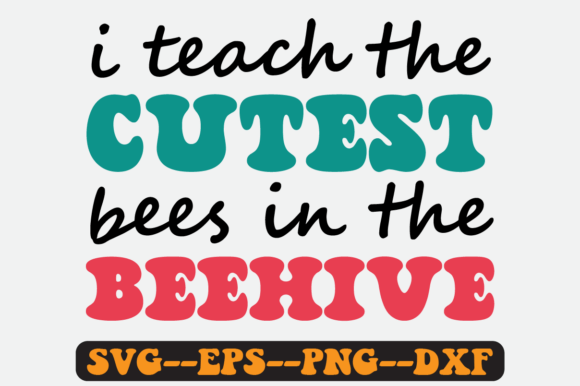
From the moment I viewed I Teach the Cutest Bees in the Beehive, it struck me as a design that blends nostalgia with modern charm. The retro aesthetic, combined with the whimsical bee motif, gives it an instantly recognizable personality. The layout is clean, with a balanced composition that allows for easy customization and placement on various items.
The detail level is moderate—enough to add visual interest without being overly complex. This makes it ideal for machine embroidery designs that need to maintain clarity while staying manageable for most embroidery machines. The design feels like it belongs on a custom apparel piece, a baby item, or even a personalized gift.
Real-World Embroidery Use Cases
When considering how I Teach the Cutest Bees in the Beehive would perform in real-life embroidery situations, I envision it working well on a variety of surfaces. For instance, using it on a tote bag design could create a fun, eye-catching statement piece that appeals to parents and educators alike. On a sweatshirt or hoodie, it could serve as a subtle yet meaningful addition to a casual wardrobe.
For baby items, this design has a lot of potential. It could be used on onesies, blankets, or nurseries, adding a playful touch that’s both adorable and appropriate for young children. Its simplicity also makes it suitable for embroidered patches, which can be applied to backpacks, jackets, or even aprons for a personalized look.
On mugs or wall art, the design translates well into sublimation or print formats, making it a flexible choice for digital product sellers. Whether you're selling printable mockups or physical products, I Teach the Cutest Bees in the Beehive offers a cohesive and appealing visual identity.
Where to Be Careful: Design Limitations
While I Teach the Cutest Bees in the Beehive is generally user-friendly, there are some scenarios where caution is advised. If you're working with small hoop sizes, the design might require careful placement to ensure all elements are captured properly. Similarly, on textured fabrics or thin materials, the stitch density could affect the final appearance.
Stretchy fabrics may cause the design to distort slightly, so testing on a scrap piece before committing to a full project is always a good idea. Dark fabric backgrounds might also require adjusting thread colors to ensure visibility, especially if the design uses lighter tones.
For curved surfaces like caps or hoods, the design's layout needs to be considered carefully. Detailed corners or tiny lettering could become less defined during stitching, so it’s worth checking how the design looks when scaled appropriately.
Impact on Visual Appeal and Product Value
I Teach the Cutest Bees in the Beehive adds a unique touch to any project it’s used on. Its visual appeal is strong enough to catch attention, but not so intricate that it overwhelms the overall design. This balance helps maintain a professional look while keeping the design approachable and relatable.
From a customer perspective, this design can enhance the perceived value of a handmade product. It signals creativity, thoughtfulness, and quality—key factors that build trust and encourage repeat purchases. As an Etsy seller or small shop owner, incorporating this design into your product line can help differentiate your offerings from generic alternatives.
It also plays well in gift-giving scenarios. Whether it’s a holiday present, a wedding gift, or a personalized keepsake, I Teach the Cutest Bees in the Beehive brings a sense of warmth and individuality that resonates with recipients.
Practical Designer Notes
Before using I Teach the Cutest Bees in the Beehive in your own projects, here are a few practical tips:
- Test on scrap fabric: Always check how the design looks on the actual material you plan to use.
- Check thread color contrast: Ensure the thread color complements the fabric and design elements.
- Review stitch density: Adjust the density if needed to prevent puckering or distortion.
- Confirm hoop size: Make sure the design fits within your machine’s hoop limitations.
- Inspect small details: Pay attention to areas with fine lines or intricate patterns.
- Test in black and white: This helps assess how the design appears without color distractions.
- Compare light and dark backgrounds: Ensure the design is visible and clear on different fabric types.
- Use proper stabilizer: Stabilizers help maintain the integrity of the design, especially on stretchy or delicate fabrics.
- Verify licensing: Confirm that the design is suitable for both personal and commercial use before selling finished products.
By taking these steps, you can ensure that I Teach the Cutest Bees in the Beehive delivers the best possible results, whether you're creating custom apparel, embroidered patches, or digital design assets for your craft business.