My Kitchen Was Clean Last Week Sorry You
As an embroidery designer and product reviewer, I’ve seen countless designs come and go. But when I first laid eyes on My Kitchen Was Clean Last Week Sorry You, I knew it had a unique charm that could translate well into real-world projects. This design is more than just a clever phrase—it’s a statement, a conversation starter, and a potential hit for the right audience.
The First Impression
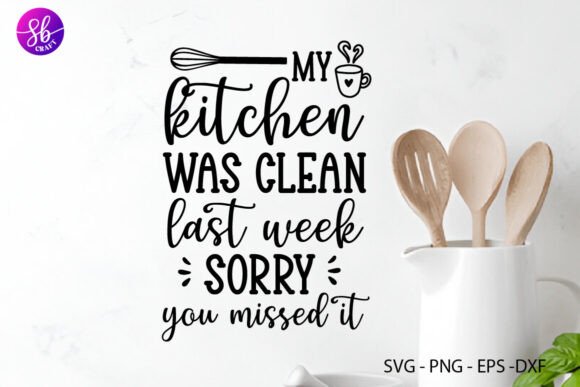
My Kitchen Was Clean Last Week Sorry You carries a playful, slightly ironic tone that feels perfect for kitchen-themed items. The layout is clean and straightforward, with a casual font that gives it a handcrafted feel. It’s not overly complex, which makes it ideal for a wide range of embroidery applications. The design’s simplicity allows it to stand out without overwhelming the fabric or the project itself.
Visually, it has a friendly, approachable vibe. The shape and spacing suggest it would work well on larger surfaces like tote bags, aprons, or pillow covers. It’s the kind of design that feels at home in a handmade shop or on an Etsy listing, where personalization and character are key.
Real-World Embroidery Use Cases
This design shines in custom apparel, especially on sweatshirts, t-shirts, and tote bags. Its size and structure make it a good fit for medium to large hoop sizes, which is important for maintaining stitch clarity. If you’re planning to use it on baby clothes, caps, or patches, you’ll want to ensure the hoop size is appropriate and that the design doesn’t get distorted during stitching.
For small business owners and Etsy sellers, My Kitchen Was Clean Last Week Sorry You could be a great addition to your product line. It’s versatile enough to work as a personalized gift, a holiday ornament, or a boutique item. The design also lends itself well to printable mockups and digital product previews, making it easy to showcase before production.
When used on kitchen towels, aprons, or signs, it adds a touch of humor and personality. It’s the kind of design that customers might keep for years, making it a valuable asset for any craft business looking to build brand recognition and customer loyalty.
Where to Be Careful
While My Kitchen Was Clean Last Week Sorry You is generally easy to work with, there are a few areas where caution is advised. On small hoop sizes, the design may require some adjustment to avoid stretching or distortion. Textured fabrics, thin materials, or stretchy garments can also affect how the design looks after stitching, so testing on scrap fabric is always a good idea.
If you plan to use this on dark fabric, you’ll want to check thread color contrast carefully. The design’s style may not show up as clearly on darker backgrounds, so choosing the right thread colors is essential. Similarly, if you're working with layered garments or curved surfaces like caps, you’ll need to adjust the design to ensure it sits properly and maintains its visual integrity.
Detailed corners, tiny lettering, and dense stitch areas can be tricky. If the design includes intricate elements, you may need to simplify or adjust them for better performance on certain fabrics. Always inspect small details before committing to a full project.
Impact on Visual Appeal and Customer Perception
One of the strengths of My Kitchen Was Clean Last Week Sorry You is its ability to add visual interest without being overwhelming. It’s the kind of design that elevates a simple product into something more meaningful. Whether it’s on a custom tote bag or a personalized apron, it adds a layer of storytelling that customers appreciate.
Stitching clarity is another important factor. If the design is too dense or the stitch density isn’t balanced, it can lead to puckering or poor results on certain fabrics. Testing the design on different materials and adjusting the settings accordingly can help ensure a professional finish.
For handmade products and personalized gifts, this design can significantly boost perceived value. Customers often look for unique, thoughtful touches, and My Kitchen Was Clean Last Week Sorry You delivers that in a fun and relatable way. It also helps with brand consistency, especially if you’re targeting a niche market or building a signature style.
Practical Designer Notes
Before using My Kitchen Was Clean Last Week Sorry You in a real project, I recommend testing it on scrap fabric. This will help you see how it looks in different thread colors and on various fabric textures. Checking the stitch density is also crucial—too much or too little can affect the final outcome.
Make sure the hoop size is appropriate for the design. If you’re working with a smaller hoop, you may need to break the design into sections or adjust the layout. Using the right stabilizer is equally important, especially on delicate or stretchy fabrics.
For commercial projects, always confirm the licensing terms before selling finished items or digital products. Even though this design seems straightforward, understanding the usage rights ensures you’re compliant and avoids any legal issues down the line.
Finally, consider how the design will look in black and white mockups. Sometimes, what looks good in color may not translate well in monochrome, so testing that can save you time and effort later.
Final Thoughts
My Kitchen Was Clean Last Week Sorry You is a design that balances humor with practicality. It’s well-suited for a variety of embroidery projects, from custom apparel to kitchen decor. While it’s not without its challenges, its simplicity and charm make it a valuable addition to any designer’s toolkit.
Whether you’re an Etsy seller, a small shop owner, or a creative entrepreneur, this design offers a fresh perspective on how to engage customers through personalized, meaningful products. With the right approach, it can turn a basic item into something truly special.